Genesis

Ramat Haram el-Khalil: Abraham’s Oaks of Mamre

Oaks of Mamre
Ramat Haram el-Khalil: The Oaks of Mamre.

Then the LORD appeared to Abraham by the Oaks of Mamre in the heat of the day, while he was sitting at the entrance of his tent. (Gen. 18:1 BEREAN)

Ramat Haram el-Khalil, located north of the ancient city of Hebron, is a place deeply connected to Abraham. According to Genesis 18, Abraham received three divine visitors at the Oaks of Mamre. This was a significant event in the biblical narrative where God renewed His promise of a son to Abraham and Sarah. 

Continue reading →
Posted by Eddie Lawrence in Archaeology, Genesis

Estimating Joseph’s Timeline

Joseph

In the previous post, I mentioned that Joseph arrived in Egypt around 1683 BC and rose to power in 1670 BC. I believe it’s worth dedicating a blog article to explain how I made these estimates. Anyone familiar with dating Old Testament events, particularly those before the time of the kings, knows how challenging it can be to pinpoint exact dates. As a result, people often have different opinions about when these events occurred, with estimates clustering around various starting assumptions or presuppositions.

In this post, I’ll outline how I arrived at my estimates for Joseph’s rise to power in Egypt, using only the information provided in the Bible. Of course, everyone makes this claim, right? I’m not dogmatic about these dates because a single overlooked biblical reference can derail even the most carefully calculated estimates. So, it’s essential to approach these matters with a bit of grace.

Continue reading →
Posted by Eddie Lawrence in Genesis

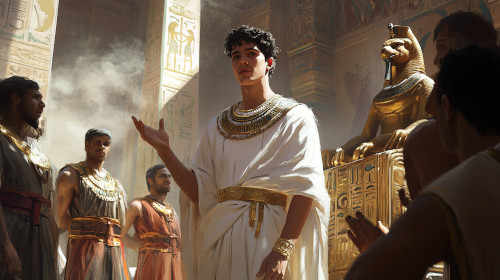
Why Does Genesis Keep Reminding Us Potiphar Was Egyptian?

Potiphar

Joseph, the young son of Jacob, found himself in Egypt. Sold into slavery by his jealous brothers, Joseph was purchased by Ishmaelite traders who in turn sold him to an Egyptian named Potiphar (Gen 37:28). Actions the brothers meant for evil, God meant for good (Gen 50:20) setting the stage for one of the Bible’s most compelling stories of divine providence.

As we read Genesis 39, an interesting detail catches our attention. Three times within the chapter, the text explicitly states that Potiphar is an Egyptian (Gen 39:1, 2, 5). Shouldn’t one mention suffice? They were in Egypt after all. Why emphasize Potiphar’s ethnicity so emphatically? The answer lies in the fascinating historical events of the time. During this period, native Egyptians did not rule lower Egypt. Instead, a group known as the Hyksos controlled the region.

Continue reading →
Posted by Eddie Lawrence in Genesis

Why God Sent Israel to Egypt

Egypt

Why did God send Israel to Egypt? What purpose did their sojourn there serve? Interpreters have proposed various reasons for this move. One compelling argument is that God primarily intended to isolate His chosen people from the surrounding nations. This isolation was crucial to preserve their unique identity. It would ensure they could fulfill their divine purpose of blessing all nations.

God had promised Abram that He would bless all nations of the earth through his offspring (Gen 12:3). If Abraham’s family merged with other cultures, they would prevent God from fulfilling His promises. The book of Genesis provides several examples of how Isaac’s offspring were beginning to merge into the surrounding cultures and adopt their practices and behaviors. This was a trend that threatened to derail God’s plan for Abraham’s lineage. Let’s examine some of these instances and explore how they may have necessitated divine intervention.

Continue reading →
Posted by Eddie Lawrence in Genesis

How Many Wives Did Esau Have?

Esau

When we read the Bible closely, we sometimes encounter puzzling details that don’t seem to add up. One such mystery is in Genesis regarding Esau’s wives. At first glance, the accounts in Genesis 26-28 and Genesis 36 appear to contradict each other. The number and names of his wives do not match up! This discrepancy has sparked debate among scholars and believers alike. Exactly how many wives did Esau have? Is there a way to reconcile this?

Esau
Continue reading →
Posted by Eddie Lawrence in Genesis